We position design teams and practitioners to be advocates of belonging
Our Strategies
-
Organizational Consulting
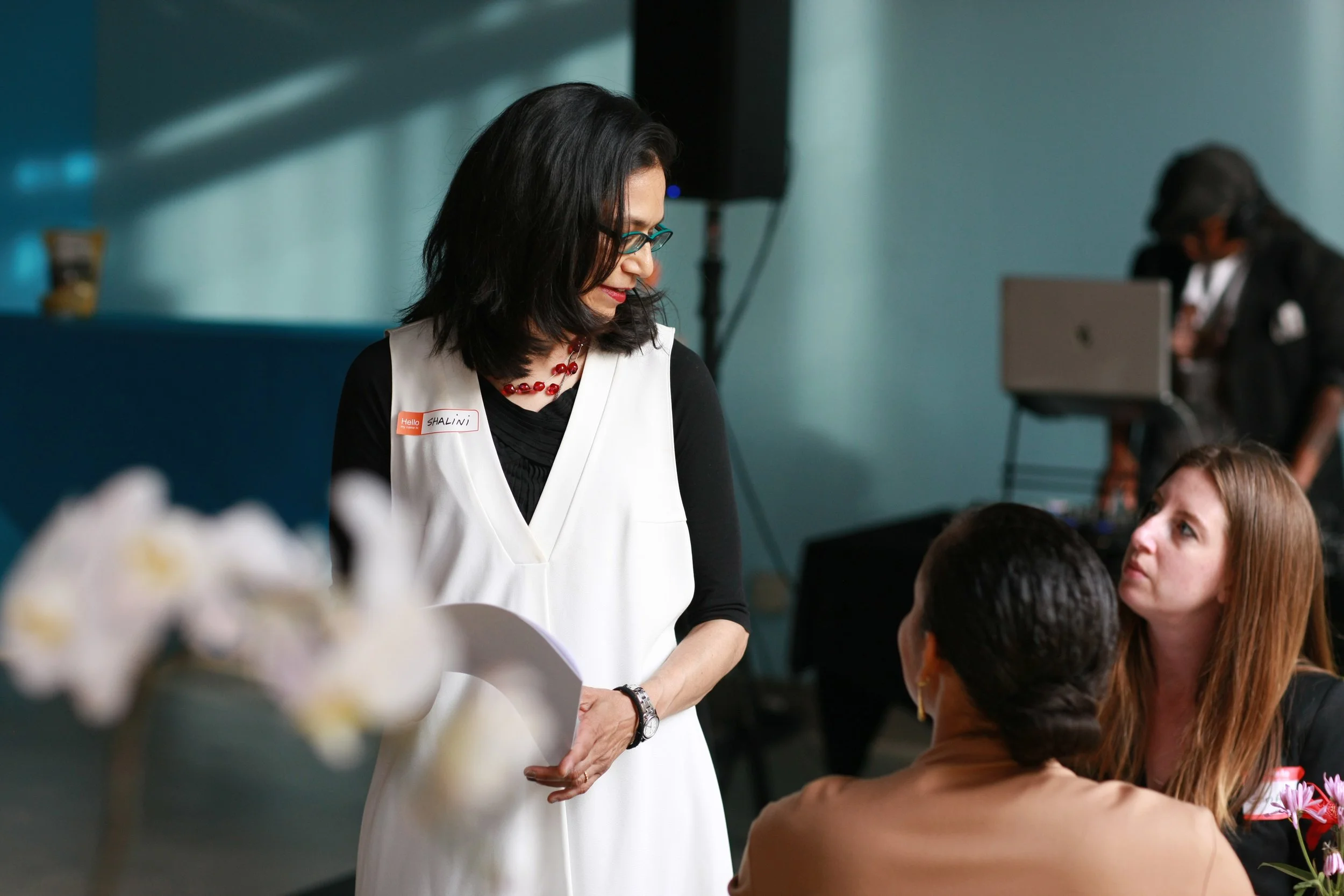
From assessments to customized workshops, we work together to build your internal capacity and commitment to cultivating belonging as an ongoing practice. Learn more about our approach and workshop topics below.
-
Pathways @ Work
Our Pathways to Equity training empowers participants to become advocates, allies, and leaders for belonging within their organizations. This work strengthens firm culture and has tangible impacts like increased employee retention. In partnership with organizations, firms, and local governments, we offer a two-part introductory webinar, the full six-part OAC Pathways program, and other customized trainings and programs.
-
Client Projects
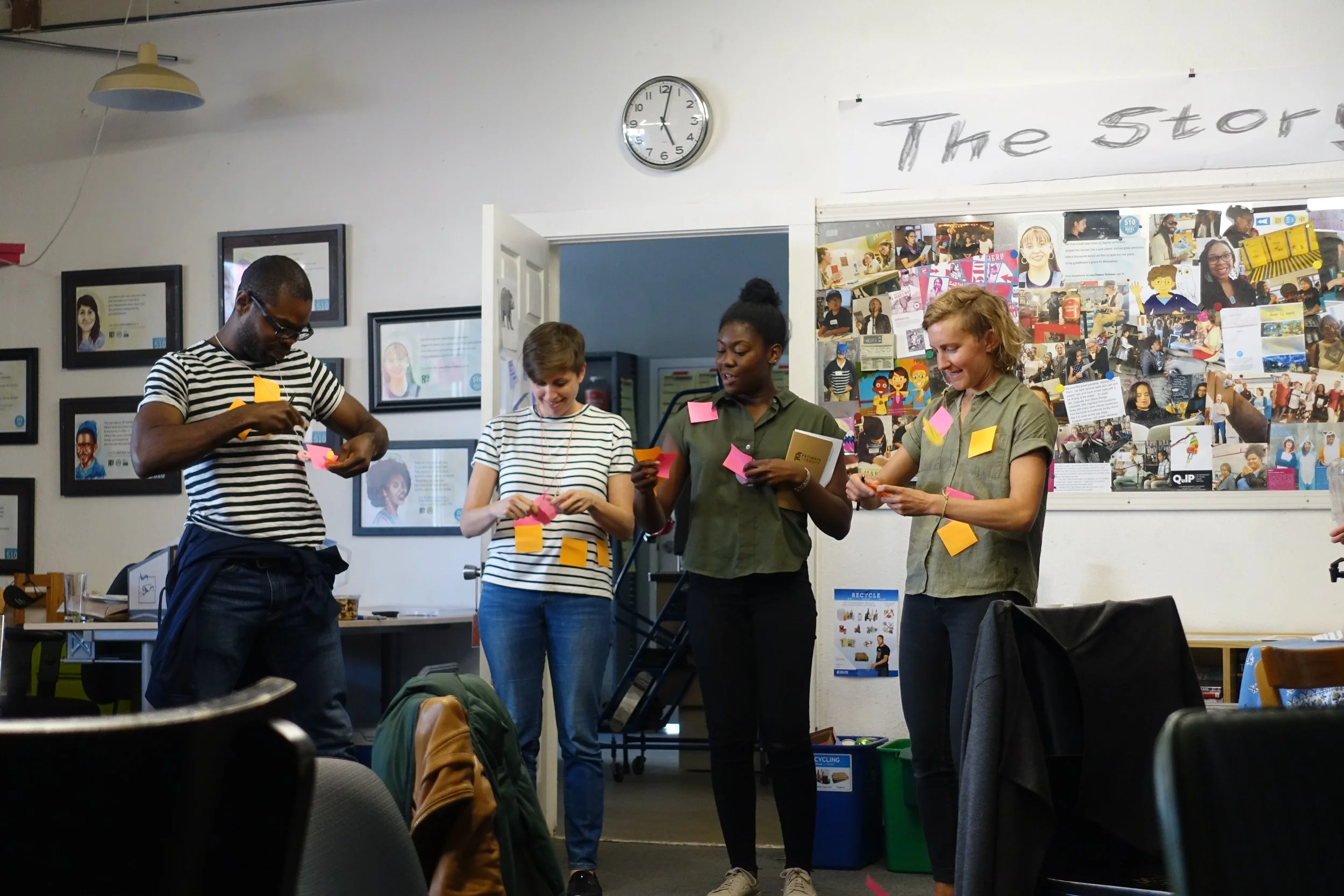
Moving from theory to practice, we provide community engagement planning, participatory design process facilitation, and schematic design support to community based organizations. In this work, we often bring our program alumni to the team, supporting their professional practice and growing our impact at the same time.
How We Collaborate
-
We meet with your organization or firm leaders to gain understanding of the context for the work we’ll do together, and to identify your specific needs. During this intake process, we will also assess the firm’s readiness to receive and benefit from OAC training.
-
We’ll share a training or workshop proposal based on your organizational needs, interests, and budget.
-
As part of any training or workshop series, we offer a pre-program assessment open to all participants. This helps further customize our content and approach, and is an opportunity for organization and firm leaders to solicit feedback from their employees.
-
Our practice-based trainings vary from 2 hour webinars to 6 week long cohort based trainings. See our Format and Topics section for more details.
-
After the training or workshop series, we’ll assess your growth in the learning outcomes we determined together during your organizational assessment.
-
We believe in the power of our work together to transform our relationships with one another and our collective practices. We’ll follow-up with you six months post-training to see how your organization is progressing on your belonging journey and help you determine any next steps.
Format
We design customized offerings based on our conversations with organizational stakeholders, and then refine based on initial training assessments.
Webinars
1.5 - 2 hours in length, webinars are best suited for organization-wide training. They offer a general dive into select topics with 1-2 interactive exercises.
Training Cohorts
1.5 - 2 hour weekly sessions with 1-2 interactive exercises, training cohorts are best suited for groups of 20-25. Readings and reflection activities are offered outside of sessions. This approach lends itself to building relationships, cultivating a peer support and accountability network, and connecting the training and content to your organization’s strategic plans.
Topics
Systems Thinking
Power and Dominant Norms
Equity Pause
Engaging in Healthy Conflict
Historical Context
Recognizing Unconscious Bias
Shared Language and Definitions
Cultivating Somatic Embodiment Practices for Design
Practice Agreements with Community Partners
Power and Relationship Mapping as Individuals and Firms
Community Engagement Practices
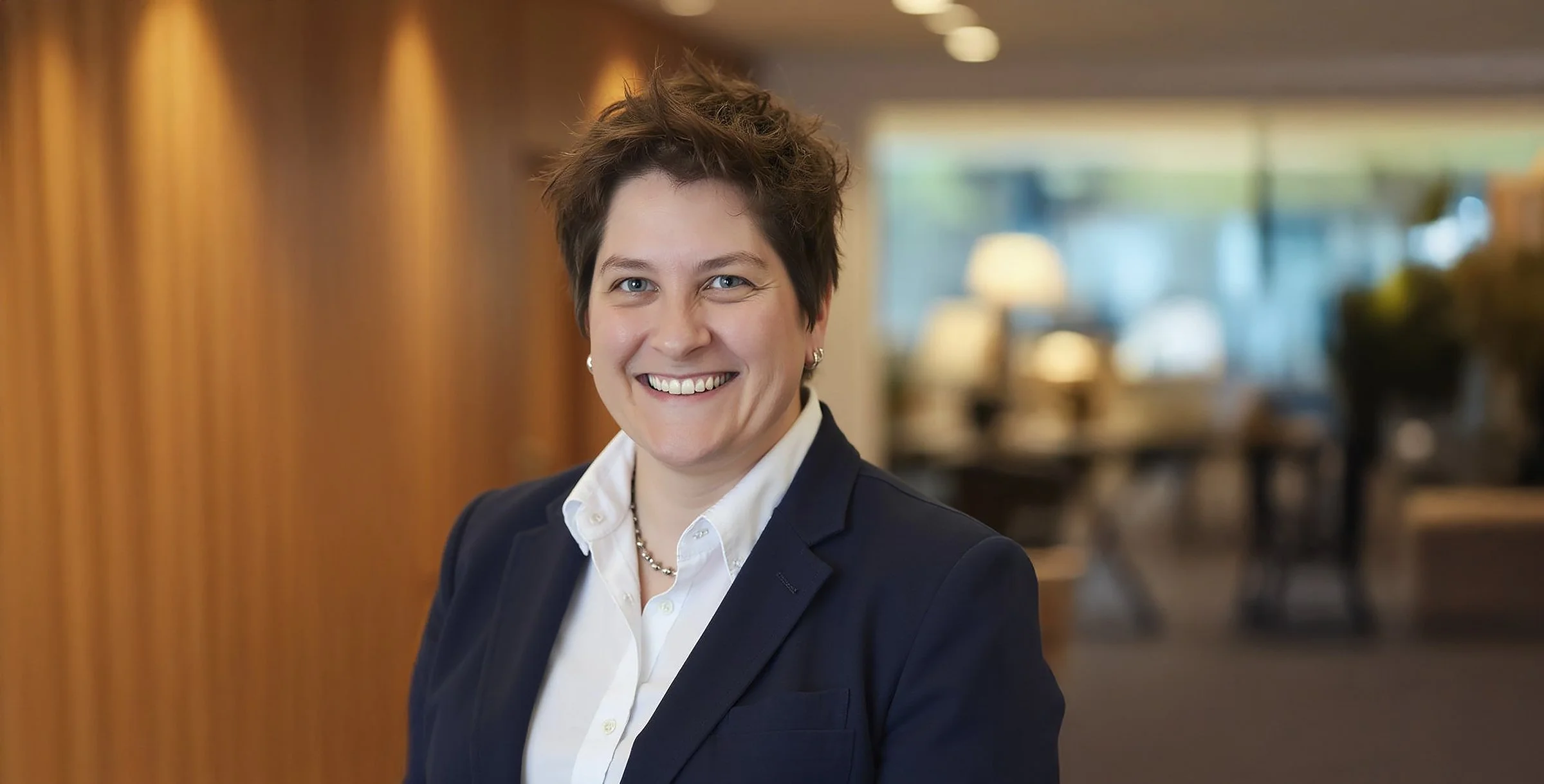
Emily Pierson-Brown, AIA, AICP, NOMA, LEED Green Associate - Perkins Eastman, Associate Principal, PEople Culture Manager
"The team at Open Architecture Collaborative (OAC) have been transformative for our culture at Perkins Eastman, in addition to being a joy to work with. We have engaged OAC for three OAC Pathways cohorts over the past three years and are eager for more.
The learning and discussion sessions have been instrumental in reinforcing Perkins Eastman’s commitment to building equity into our projects and our organization.
Every person who has participated in the program has come to me, sometimes months later, to explain how meaningful that engagement was to them and how they are using those teachings in their daily work. Shalini and Almas were able to craft three slightly modified programs to meet each cohort where they were at in terms of a basic understanding of DE&I principles and even pivoted midstream when a group wanted to dig more into one topic or another.
They challenged us in all the right ways and have given us a framework to grow and evolve as people and as an organization.
We also engaged OAC for (2) hour-and-a-half webinars for our whole firm to get exposed to the thoughtful learning environment of OAC Pathways until we can get everyone fully invested in a cohort. Even now, a year later, I have requests for those recordings so that people can stay engaged with the material. We have continued to build on this momentum to create both systemic and targeted change.
The lessons contained within this program are resonating across our firm and are having the intended effect of increasing our collective understanding of equity and a sense of belonging for our people.
I cannot recommend OAC Pathways, and Shalini and Almas enough. They are changing how we as architects and designers understand our responsibility for the built environment in ways that are very much needed in our industry.
Past Clients